
How Long Does It Take to Build a House in Christchurch? A Realistic Timeline for New Homes
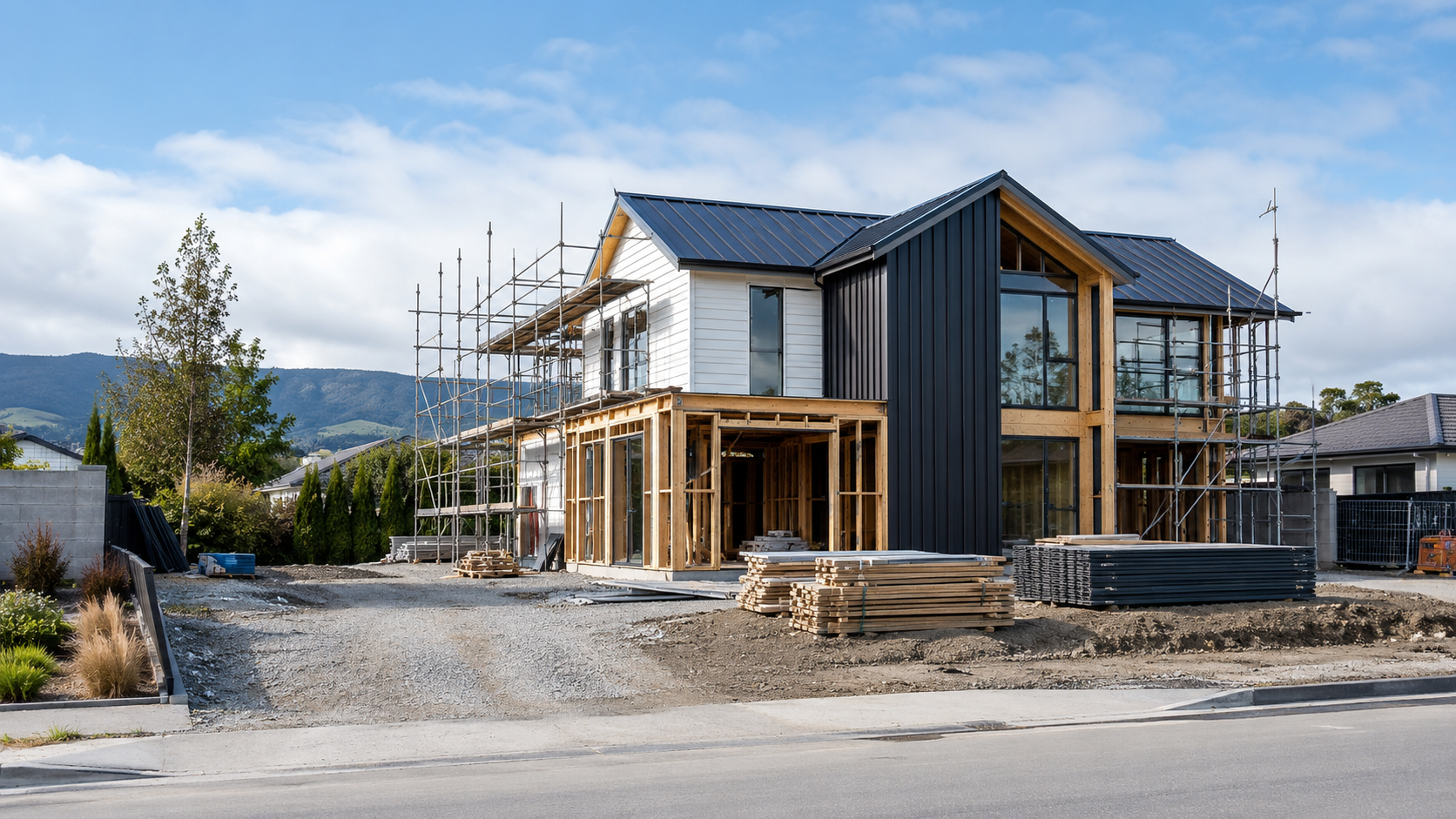
If you're planning to build a home in Canterbury, one of the first questions you'll likely ask is: how long does it actually take to build a house in Christchurch?
The short answer is that most new homes take around 6 to 12 months to build once construction begins, but the full journey from purchasing land to receiving the keys can take longer.
Several factors influence the build time for a Christchurch house, including council consent timelines, weather conditions, supply chain availability, and the complexity of the home design.
Understanding the full process can help buyers set realistic expectations and plan their move with greater confidence. In this guide, we break down the key stages of building a home in Christchurch and explain what can influence the overall timeline.
The Typical Timeline to Build a House in Christchurch
Building a home involves several stages before construction even begins. When looking at the build time Christchurch house buyers should expect, the process generally includes.
While each project is unique, a typical timeline may look something like this:
Overall timeline: The process often takes around 8–12 months from planning to completion.
Building Consent Timeline in Christchurch
One of the earliest steps in the process is obtaining building consent from Christchurch City Council.
This approval confirms that the proposed design meets building regulations, zoning rules, and structural requirements.
For many projects, the consent timeline takes around 20 working days once the council receives a complete application. However, additional information requests or complex designs may extend this timeframe.
Builders usually handle the consent process on behalf of homeowners, helping ensure plans comply with local requirements before construction begins.
Because construction cannot start until consent is approved, this stage plays an important role in the overall build time Christchurch house projects require.
Construction Phases of a New Build
Once consent is approved and site preparation is complete, the physical construction of the home begins.
The building process typically moves through several key phases.
1. Foundations and Slab
The first step involves preparing the site and pouring the concrete slab or foundation system. This stage ensures the home has a stable base and typically takes one to two weeks, depending on site conditions.
2. Framing and Structure
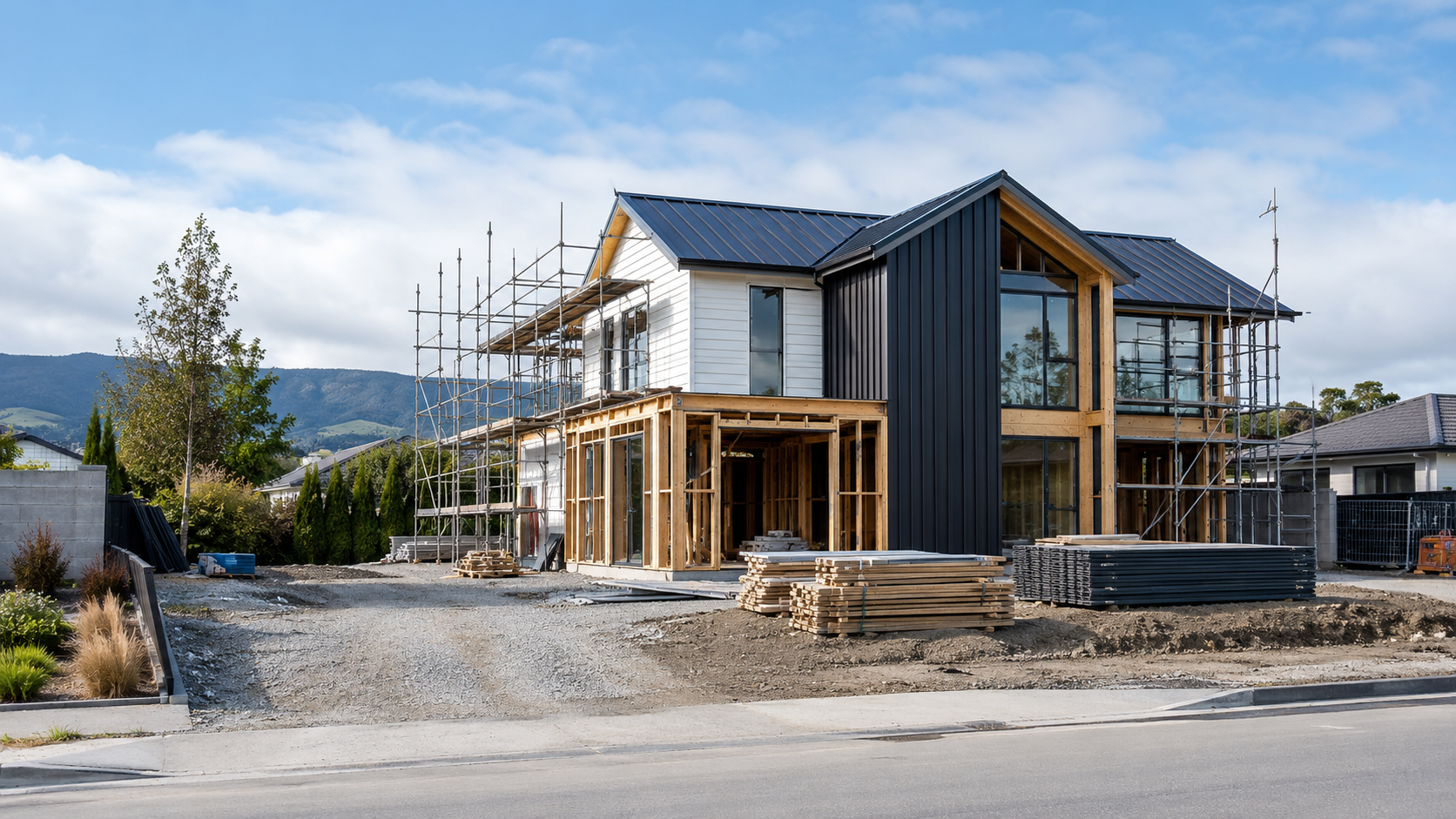
Next, the structural frame of the home is erected. Walls, roof trusses, and the overall skeleton of the house take shape during this stage.
This phase often takes two to four weeks, depending on the complexity of the design.
3. Roofing, Windows, and Exterior
Once the frame is complete, builders install the roof, windows, and external cladding. This stage helps protect the interior from weather so that internal work can begin.
4. Interior Systems
With the home sealed, tradespeople install essential systems such as:
Electrical wiring
Plumbing
Insulation
Heating and ventilation
These systems are then covered as internal wall linings and ceilings are installed.
5. Interior Finishes
The final stages include:
Painting
Flooring
Kitchen installation
Bathroom fixtures
Lighting and fittings
This stage transforms the structure into a finished home ready for occupancy.
6. Final Inspection and Handover
Before homeowners move in, the property undergoes final inspections to confirm it meets building standards and consent conditions.
Once approved, the council issues a Code Compliance Certificate (CCC), and the home is ready for handover.
How Weather Can Affect Construction
Weather is one of the factors that can influence the build time Christchurch house projects experience.
While Canterbury generally enjoys stable building conditions, heavy rain, strong winds, or cold winter temperatures can occasionally slow certain stages of construction.
For example, foundation work or exterior cladding may need to be delayed during adverse weather to ensure quality and safety.
Experienced builders plan schedules carefully to minimise weather disruptions wherever possible.
Supply Chain and Material Availability
In recent years, supply chain challenges have occasionally affected building timelines across New Zealand.
Construction materials such as timber, windows, and fittings may experience delays depending on global supply conditions and demand within the building industry.
Most builders now work closely with suppliers and schedule orders early in the process to reduce potential delays.
Planning ahead helps keep the build time Christchurch house buyers expect as predictable as possible.
Design Complexity and Custom Features
Property buyers often consider how their purchase may perform as an investment in the future.
New builds tend to appeal to buyers seeking modern design, energy efficiency, and low maintenance living, which can support strong resale interest.
Existing homes may offer advantages such as larger sections, established neighbourhoods, or architectural character.
In Christchurch’s growing property market, demand for modern homes in new subdivisions has remained strong, particularly among young families and first-home buyers.
This means that well-located new builds can offer attractive resale potential over time.
Frequently Asked Questions
Is it cheaper to buy an existing home in New Zealand?
In some cases, existing homes may have a lower purchase price than new builds. However, buyers should also consider potential maintenance, renovation, or upgrade costs over time.
Are new builds better insulated in NZ?
Yes. New builds must meet current building code requirements, which include improved insulation and energy efficiency standards compared to many older homes.
Do new homes hold their value in Christchurch?
Modern homes in growing suburbs often attract strong buyer demand, particularly when located near schools, transport, and amenities.
Is buying a new build safer after the Christchurch earthquakes?
New builds are constructed under updated structural standards, which are designed to improve resilience compared to older construction methods.
Choosing between a new build and an existing home in NZ ultimately depends on your priorities as a buyer.
Existing homes can offer character, established locations, and immediate availability. New builds, however, provide modern construction standards, improved energy efficiency, and lower maintenance in the early years of ownership.
For Christchurch buyers considering long-term comfort, safety, and future value, new builds continue to be an increasingly attractive option.
If you’re exploring new homes in Christchurch, RM Homes offers thoughtfully designed builds that combine modern construction standards with practical, future-ready living spaces. Whether you’re a first-home buyer or upgrading to your next property, our team can help you explore house and land opportunities across Canterbury. Contact RM Homes today to learn more about building a home designed for the future.
